
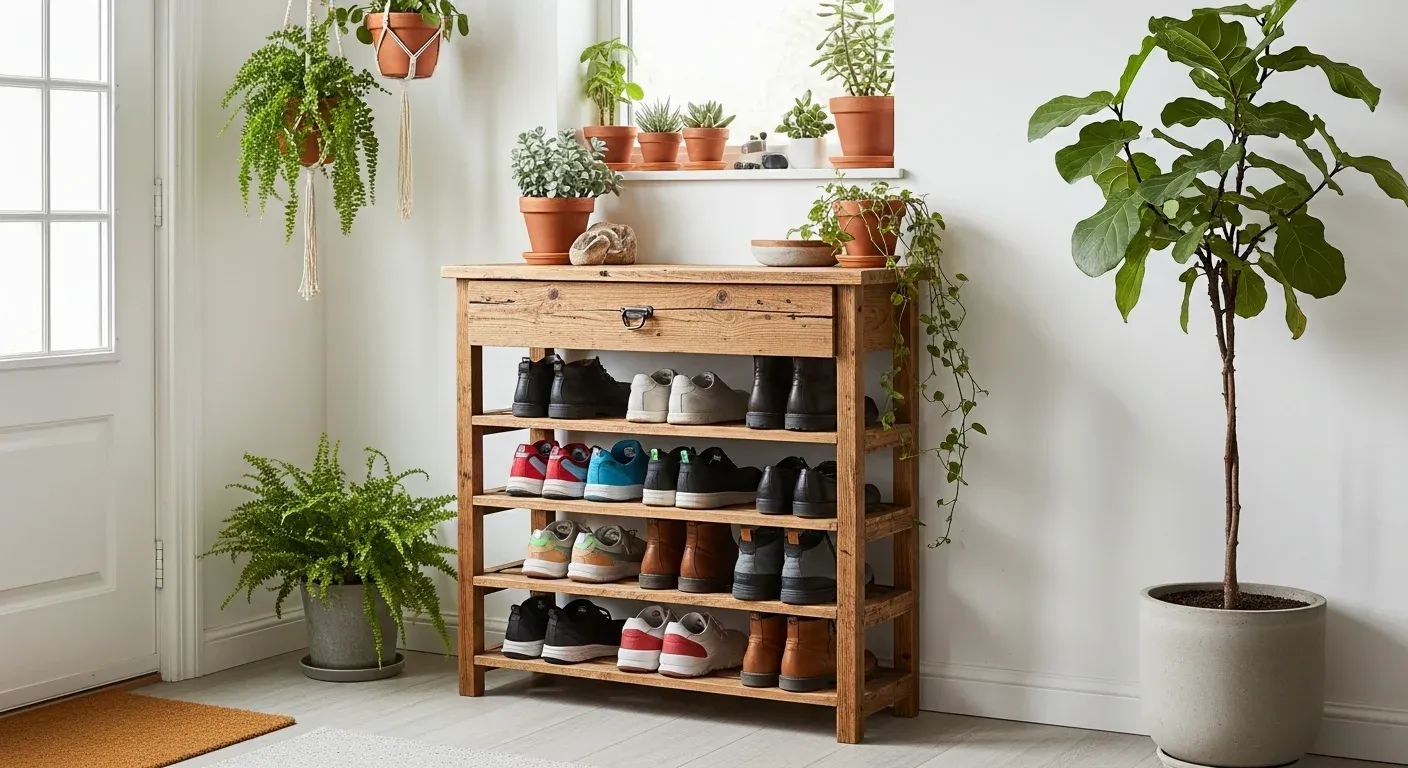
A shoe rack doesn’t just keep your entryway tidy-it sets the tone for your home as soon as you walk in the door. If you’re looking for a project that’s practical, creative, and environmentally conscious, making your own shoe rack from reclaimed wood is a rewarding way to add both style and soul to your space. Here’s everything you need to know to get started, from sourcing the perfect planks to finishing touches that make your piece truly your own.
The Appeal of Reclaimed Wood: More Than Just Sustainability
When you choose reclaimed wood for your furniture projects, you’re doing more than just helping the environment. Reclaimed wood gives old timber a new purpose, reducing waste and preserving resources that would otherwise go to landfill. This eco-friendly choice is also packed with character-each board carries its own history, visible in weathered grains, knots, and the occasional nail hole. Furniture made from reclaimed wood isn’t just unique; it often becomes a focal point and conversation starter in your home. And as a bonus, sourcing reclaimed wood locally or repurposing old furniture can be much friendlier on your wallet than buying brand-new lumber.
Where to Find and How to Prepare Your Materials
Finding quality reclaimed wood is the first adventure in this project. Local salvage yards and architectural reclamation centers usually offer a wide selection of boards in various sizes and styles. Don’t overlook online marketplaces and community groups, which can be a goldmine for old wood and furniture ready for a new life. Even discarded pallets or an old bookshelf can be transformed into something beautiful.
Once you’ve found your wood, take the time to inspect each piece for rot, insect damage, or deep cracks that could compromise your finished rack. Choose boards that are solid, dry, and at least 2cm thick to ensure your shoe rack is both sturdy and long-lasting.
Before you start building, prep your materials:
Remove any nails, screws, or staples.
Scrub the boards with a stiff brush and mild soapy water, then let them dry thoroughly.
Sand the wood, starting with a coarse grit and moving to a finer one, until the surfaces are smooth and safe to touch.
Planning the Perfect Shoe Rack for Your Space
Before you pick up any tools, think about where your new shoe rack will live and what it needs to hold. Measure the available space and decide how many pairs of shoes you want to store. Tailor the dimensions to your specific needs-an average size might be 80cm wide, 30cm deep, and 50cm high, but the beauty of building it yourself is making it fit your life.
Consider your preferred style. If you love rustic charm, let the natural imperfections and patina of the wood shine. For a modern look, opt for clean lines and minimal hardware. Or, combine wood with metal accents for an industrial edge.
Sketch a simple plan, noting dimensions and shelf placement, and gather your tools:
Saw (hand or circular)
Drill and screws
Measuring tape, pencil, square, and level
Sandpaper or a sander
Wood glue (optional)
Stain, oil, or sealant for finishing
Building Your Shoe Rack: From Plank to Finished Piece
Cutting Your Boards to Size
Start by measuring and cutting your reclaimed wood into two side panels and two or three shelves, depending on how much storage you want. If you’d like a polished look, add a top piece as well.
Assembling the Structure
Lay out your side panels and attach the shelves, starting with the bottom one and spacing the others evenly. Use screws or dowels for a solid connection, and make sure everything is square and level. Adding a back support or cross-brace can greatly improve the stability of your finished rack.
Securing and Strengthening
For extra strength, reinforce the joints with wood glue. Double-check that all screws are flush with the surface-this not only looks neater but prevents accidental snags on shoes or clothing.
Smoothing and Finishing
Sand the entire rack thoroughly, paying close attention to edges and corners. Remove dust, then apply your chosen finish-be it a stain to enhance the grain, a natural oil for warmth, or a clear sealer for protection. A good finish not only brings out the character in your reclaimed wood but also protects it for years to come.
Styling and Caring for Your Handmade Shoe Rack
With your shoe rack built, it’s time to make it a seamless part of your home. Store shoes heel-to-toe to maximize space, and consider adding baskets or bins for small items like shoe polish or slippers. The top shelf is a great spot for bags, a potted plant, or a decorative vase.
For an inviting entryway, hang a mirror or hooks above the rack for keys and accessories, and place a woven mat underneath to catch dirt and add texture. Regular care-like dusting with a soft cloth and reapplying oil or wax once a year-will keep your shoe rack looking beautiful and help the wood age gracefully. To protect the finish, avoid placing wet shoes directly on the wood; use trays or liners if needed.
Bringing New Life to Old Wood
Building a shoe rack from reclaimed wood is more than just a DIY project-it’s a way to express your creativity, reduce waste, and create something truly personal for your home. Each board you reuse is a piece of history, and every mark tells a story. As you enjoy your finished rack, you might even inspire friends and family to try their hand at upcycling too.
So gather your tools, choose your boards, and get started-there’s nothing quite like the satisfaction of building something beautiful and practical with your own hands.