
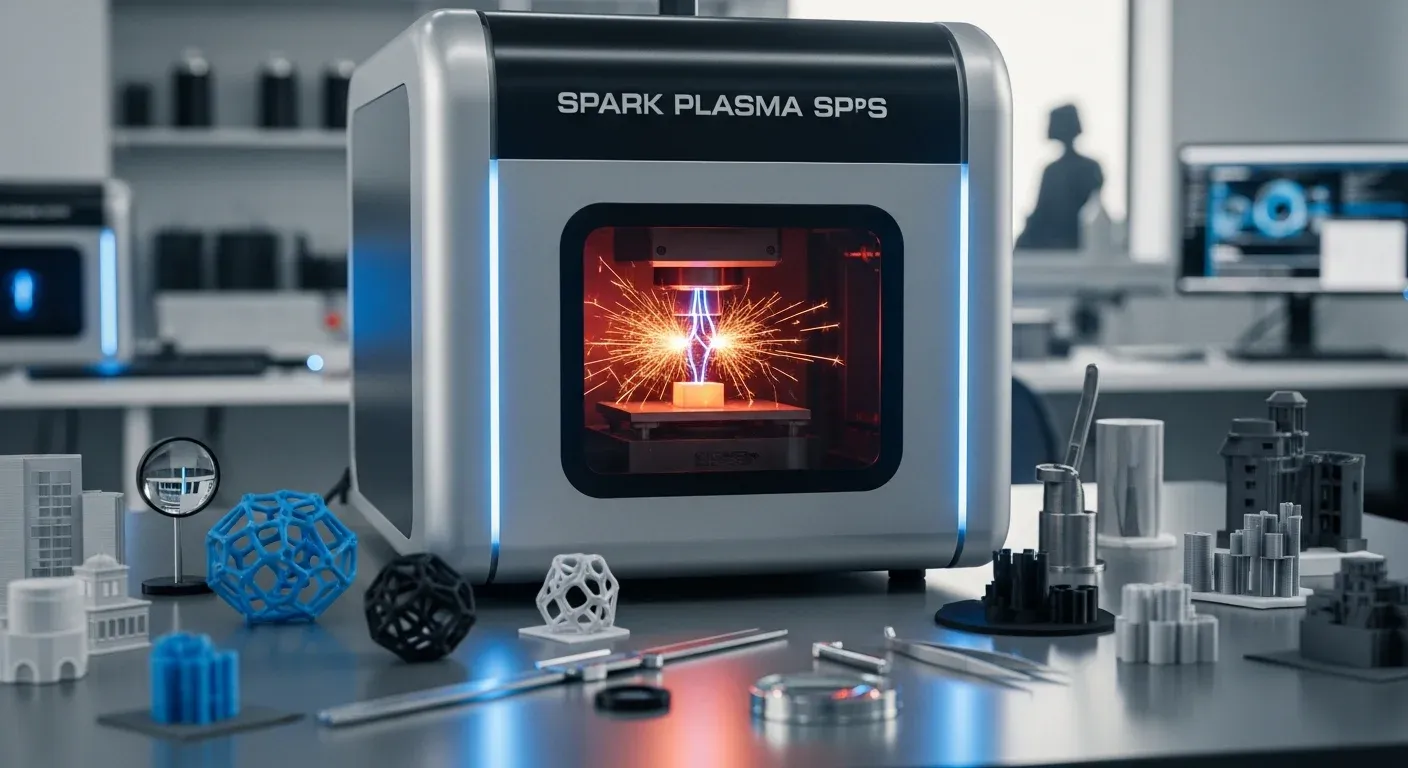
Sintering has always been a cornerstone of materials science, turning loose powders into solid objects with properties you can't get any other way. For decades, though, this process was reserved for big industry and research labs with deep pockets and plenty of space. Today, that’s changing fast. Thanks to advances in technology and the rise of the maker movement, sintering-especially spark plasma sintering-is finally becoming accessible for hobbyists, educators, and small-scale innovators. Whether you're interested in advanced ceramics, unique metal parts, or just want to experiment with new materials, the world of sintering is opening up in ways that were unthinkable just a few years ago.
How Spark Plasma Sintering Is Changing the Game
Spark plasma sintering (SPS) stands out as one of the most exciting developments in advanced manufacturing. Traditional sintering takes hours, often using large furnaces that heat slowly and inefficiently. SPS, on the other hand, uses a clever combination of uniaxial pressure and pulsed electric current, which allows for extremely rapid heating and densification of powders.
The entire process can take just minutes, not hours, and the results are often superior to those achieved with conventional methods. By delivering energy directly into the material, SPS not only saves time, but also reduces energy consumption and preserves the fine microstructures that give materials their unique properties.
For makers, SPS means access to new composites, advanced alloys, and specialized ceramics-without the need for an industrial-scale setup. It’s already making waves in fields as diverse as biomedical engineering, electronics, and even the automotive and aerospace sectors, and now it’s poised to become a practical tool in home workshops and makerspaces.
From Industrial Giants to Desktop Workshops: SPS Becomes Attainable
Until recently, spark plasma sintering was out of reach for most individuals. SPS systems were expensive, complicated, and intimidating for anyone without a background in engineering or materials science. But a new generation of compact, user-friendly machines is changing that narrative.
Manufacturers and researchers are introducing benchtop SPS units built for smaller spaces and budgets. These machines are designed with intuitive controls and built-in safety features, making them suitable for makerspaces, educational labs, and even ambitious home workshops.
The open-source hardware community is also stepping in. DIY SPS projects are popping up in makerspaces around the world, offering kits and blueprints that use off-the-shelf components. By sharing knowledge and designs online, makers are lowering costs and making it possible for anyone to experiment with advanced sintering techniques.
For those looking to dive deeper, spark plasma sintering technology is now being integrated into educational settings, allowing students and hobbyists to gain hands-on experience with real-world materials science-no industrial infrastructure required.
What You Can Make: Real SPS Projects and Applications
The beauty of SPS is in its versatility. With the ability to process metals, ceramics, polymers, and composites, SPS opens the door to projects limited only by your imagination. Here are just a few ways makers are putting SPS to work:
Custom Tools and Functional Prototypes
Whether you need a hard-to-find tool or want to test a new part design, SPS lets you create high-strength, wear-resistant components tailored to your needs. Rapid prototyping becomes genuinely rapid-models and parts can be produced and tested in a single afternoon.
Artistic Creations and Jewelry
Experiment with unusual materials and textures to produce unique pieces that stand out. The fine control over microstructure and finish means that artists and designers can achieve effects that are impossible with traditional casting or machining.
Startup Innovation and Education
Some startups are using SPS to develop novel battery electrodes, leveraging the speed of the process to accelerate product development. In universities, makerspaces have begun incorporating SPS into their programs, giving students the chance to design, fabricate, and test advanced materials as part of their education.
Getting Started: Tips and Community Resources
Diving into SPS is easier than ever, but there are a few essentials to keep in mind.
Safety is paramount. SPS involves high temperatures and significant electrical currents. Always follow manufacturer instructions and use appropriate protective equipment.
Sourcing materials is now simpler, thanks to specialty suppliers who offer powders in small quantities for experimentation.
Don’t go it alone. Online forums, maker groups, and open-source projects provide invaluable support, troubleshooting, and inspiration.
Joining the growing SPS community will help you overcome challenges, share ideas, and keep up with the latest developments.
Where SPS Is Heading: The Next Frontier for Makers
As technology evolves, expect spark plasma sintering to become as commonplace in makerspaces as 3D printers and CNC machines. Machines are getting smaller, more affordable, and more intuitive every year. This democratization means faster prototyping, easier small-batch manufacturing, and new educational opportunities for students at every level.
Community-driven innovation will play a crucial role in shaping the future of SPS. By sharing designs, experiences, and solutions, makers can drive down costs, solve technical challenges, and ensure that this powerful technology remains accessible to all.
If you’re passionate about materials science, hands-on learning, or simply want to push the boundaries of what you can make, now is the perfect time to explore what SPS has to offer. The journey is just beginning-why not take the first step and see what new worlds of creativity you can unlock?