A blooming, lively garden is more than just a beautiful space—it’s a haven for some of nature’s most important creatures: pollinators. By making a few thoughtful choices about what you plant and how you design your garden, you can turn your outdoor area into a safe retreat for bees, butterflies, birds, and many other beneficial insects. In return, you’ll enjoy healthier plants, more abundant flowers, and even tastier fruits and vegetables.
Why Pollinators Matter in Your Backyard
Pollinators are essential partners in the garden, quietly ensuring the survival of countless plant species and the food crops we rely on. Their daily work supports the reproduction of over three-quarters of all flowering plants and a significant share of our food supply. Without pollinators, both our diets and our landscapes would lose much of their diversity and color.
You might be surprised by how many different pollinators could visit your garden. Bees, both native solitary species and honeybees, are among the most important. Butterflies and moths, with their long tongues, access nectar deep inside flowers. Beetles, though often overlooked, are some of the oldest pollinators on earth. And birds—especially hummingbirds—love brightly colored, tubular blooms.
Pollinators face serious threats from habitat loss, pesticides, disease, and climate change, but even a small urban garden or balcony can become a crucial sanctuary.
Choosing Plants That Feed and Support Pollinators
Native Plants: The Backbone of a Wildlife-Friendly Garden
Native plants have evolved alongside local pollinator species, offering exactly the kind of nectar, pollen, and habitat they need. While non-native plants can add variety and beauty, they often fail to support local wildlife in the same way. Planting native species is one of the most effective ways to help pollinators thrive in your garden.
Ensuring Blooms from Early Spring to Late Autumn
A garden that provides flowers from the first warm days of spring until the last days of autumn will keep pollinators well-fed all season long. To achieve this, combine annuals, perennials, bulbs, and shrubs, and plan for a succession of blooms.
Some good options for each season:
- Early spring: crocuses, snowdrops, lungwort, and willow
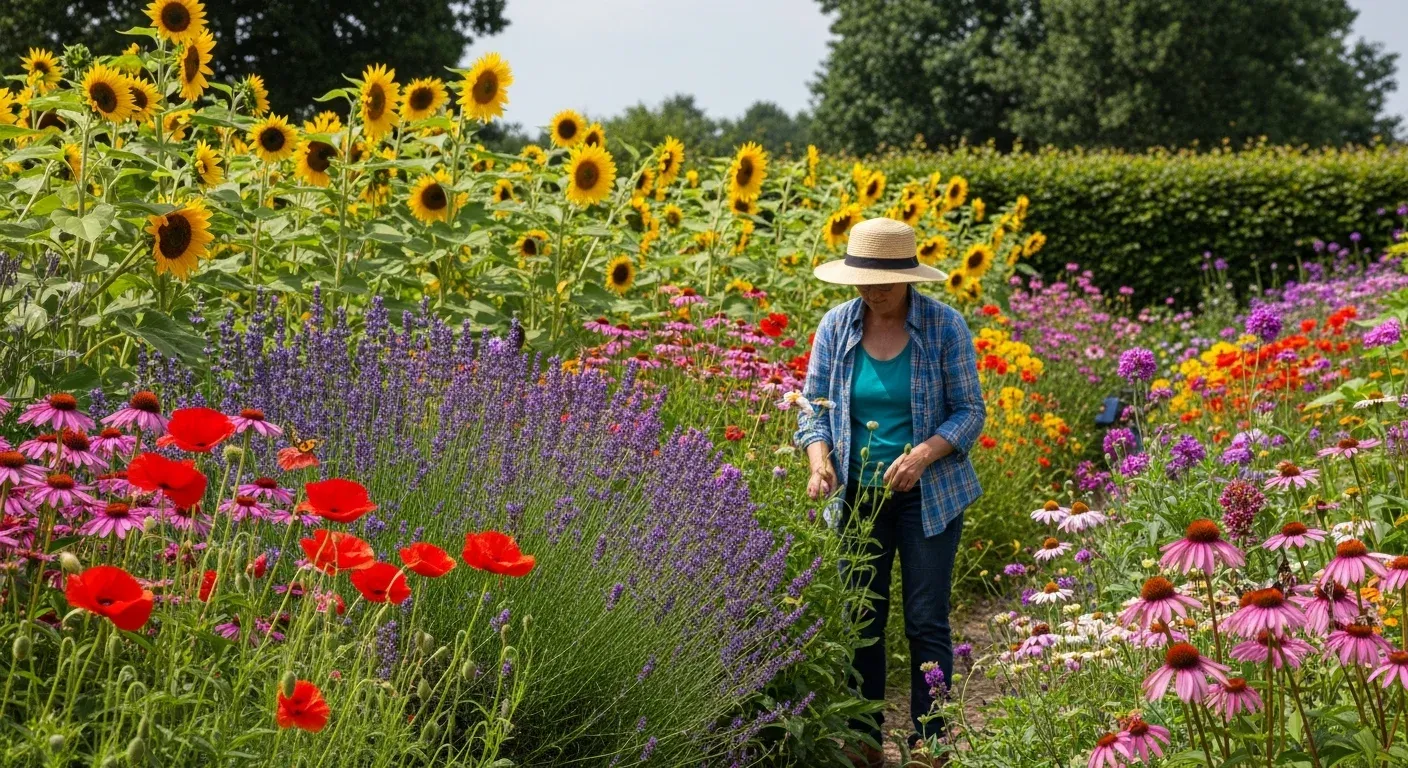
- Summer: lavender, foxglove, cornflower, sunflowers
- Autumn: sedum, asters, goldenrod, ivy
Host Plants for the Next Generation
If you want to see more butterflies, it’s important to support their caterpillars too. Plants like nettles are essential food for several butterfly species, while milkweed is critical for monarchs. Leaving a small, untamed corner of your garden can provide vital breeding grounds for butterflies and moths.
Creating a Welcoming Habitat for Pollinators
Layer Your Garden for Shelter and Nesting
Pollinators need more than just flowers—they also need shelter, nesting sites, and safe places to rest. Create a garden with layers: tall trees, shrubs, flowering perennials, and groundcovers. Leave some bare patches of earth for solitary bees to burrow, and allow parts of your garden to grow a little wild.
The Power of Plant Groupings and Color
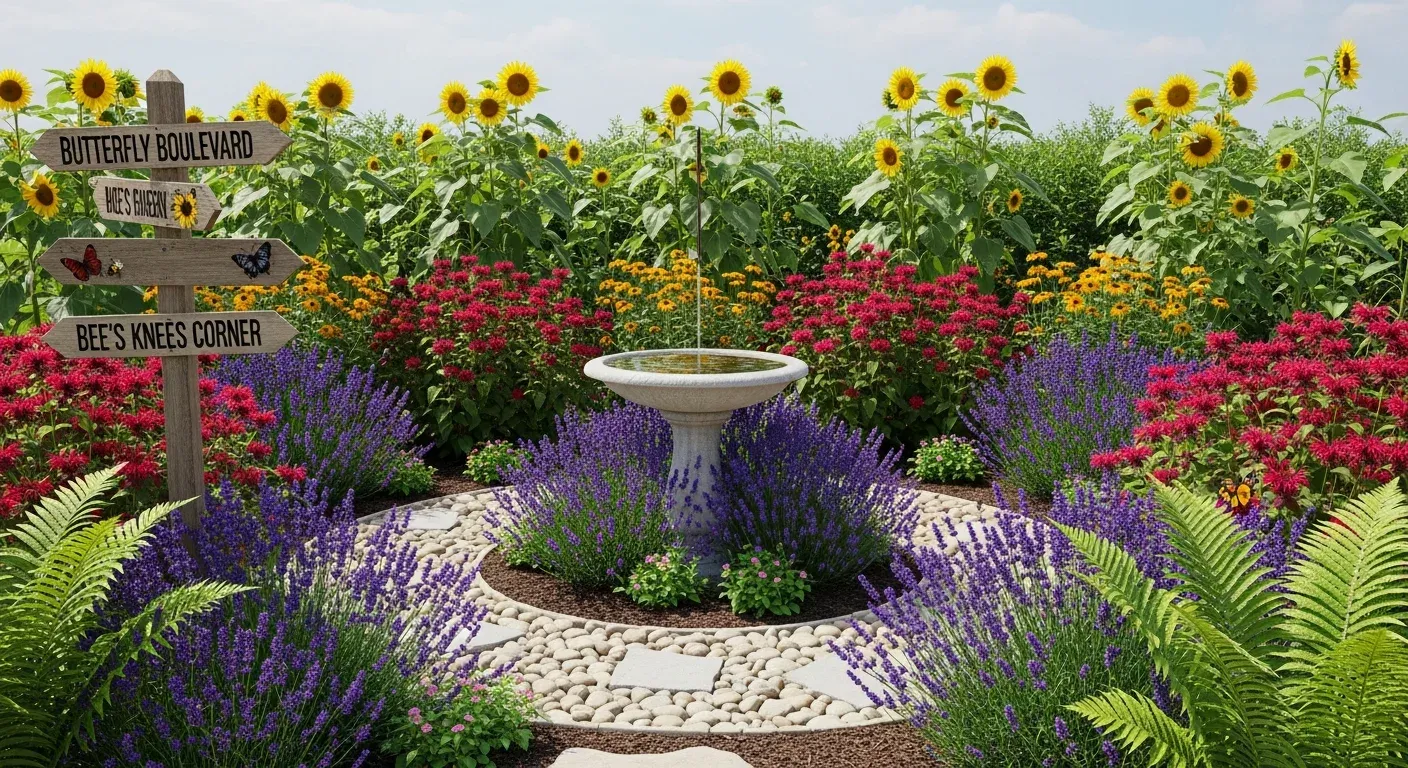
Pollinators are much more likely to visit when you group at least three to five of the same plant together, rather than scattering single specimens. Color also plays a role: bees are especially drawn to blue, purple, and yellow, while butterflies seek out red, orange, and pink.
Water: An Often Overlooked Necessity
Providing a shallow dish filled with pebbles or a birdbath gives pollinators a safe spot to drink and rest. Keep it clean and filled, especially during hot, dry spells.
Garden Organically and Avoid Chemicals
Limiting or eliminating pesticides and herbicides is one of the best ways to protect pollinators in your garden. Instead, try organic gardening methods and encourage natural predators to help manage pests.
Keeping Your Garden Pollinator-Friendly Year-Round
Planning and Planting for All Four Seasons
To keep your garden buzzing with life, map out your planting so that something is always in bloom from spring to autumn. In winter, evergreens and plants with seed heads provide important shelter and food for birds and insects.
Adjusting Garden Maintenance for Wildlife
- Leave seed heads and stems standing through winter to offer shelter
- Hold off on cutting back perennials until late winter or early spring
- Compost gently and avoid disturbing leaf litter, which may house overwintering pollinators
Extra Steps to Make Your Garden a Pollinator Haven
Adding Bee Hotels and Butterfly Houses
Installing bee hotels made from hollow reeds and wood gives solitary bees a safe place to nest. Butterfly houses, piles of logs, or stones can also provide essential shelter for different species.
Being Mindful with Chemicals
If you must use pesticides, choose targeted products that are less harmful to pollinators and apply them at dusk, when pollinators are less active.
Getting Involved in Local Conservation
Supporting local pollinator initiatives, planting wildflower meadows, or joining citizen science projects that track pollinator numbers can amplify your impact beyond your own garden.
A pollinator-friendly garden is more than a source of beauty—it’s a living, breathing ecosystem that benefits both you and the world around you. With the right mix of plants, thoughtful design, and a few simple changes to your gardening routine, you can create a vibrant, productive space that supports bees, butterflies, and a whole host of fascinating creatures. Start making changes today and enjoy watching your garden come alive with color, movement, and the gentle hum of pollinators at work.