Waking up to find fresh bird droppings dried across your hood and windshield is frustrating. Beyond the messy appearance, bird poop contains high levels of uric acid that can permanently etch into automotive clear coats within hours, especially under hot sunlight.
Fortunately, protecting your vehicle does not mean turning your yard into a hostile zone for local wildlife. With a few strategic adjustments around your driveway, you can deter birds from hovering over your vehicle while keeping your garden lively and ecologically balanced.
Why Birds Target Your Driveway in the First Place?
Birds rarely target your vehicle out of malice. Instead, driveways often combine several environmental factors that naturally attract wildlife. Trees flanking a driveway provide ideal resting spots, shade, and lookout points for foraging. When birds perch above, droppings inevitably fall onto whatever sits directly beneath.
Another common factor involves shiny vehicle parts. Side mirrors, chrome bumpers, and polished paint can reflect a bird’s image back at itself. Many species interpret this reflection as a territorial rival and will hover, peck, and perch along the mirrors while releasing droppings. In addition, cars parked near garden beds or fruit trees sit right along the direct flight path between feeding spots and resting branches.
Trim Overhead Branches to Eliminate Tempting Perches
The simplest defense starts directly above your parking space. Look up and identify every limb that hangs over your car. Pruning these branches eliminates the primary staging ground birds use before taking flight.
- Cut back dense overhead canopy that shades the driveway.
- Thin out horizontal branches that offer comfortable resting perches.
- Remove deadwood and twiggy growth where smaller birds like to gather.
Keeping the airspace directly over your vehicle clear forces birds to roost elsewhere in your yard. As a bonus, trimming reduces the risk of fallen branches or sticky tree sap damaging your clear coat during seasonal storms.
Move Feeders and Water Sources Far Away From Parking Areas
Bird feeders, birdbaths, and berry bushes act as magnets for local flocks. If any of these features sit within twenty feet of your parking area, your car will inevitably catch the crossfire.
Relocating your feeding stations to the opposite corner of the yard redirects flight corridors away from the driveway. Birds tend to relieve themselves immediately after eating or drinking, or right as they launch into flight from a feeder. Establishing dedicated foraging zones far from your vehicles concentrates natural bird activity where it actually benefits your garden soil rather than your car roof.
Install Visual Deterrents Like Reflective Tape and Decoys
Visual repellents exploit natural avian instincts, creating an unpredictable environment that birds prefer to avoid. These tools cost very little and require zero harsh chemicals.
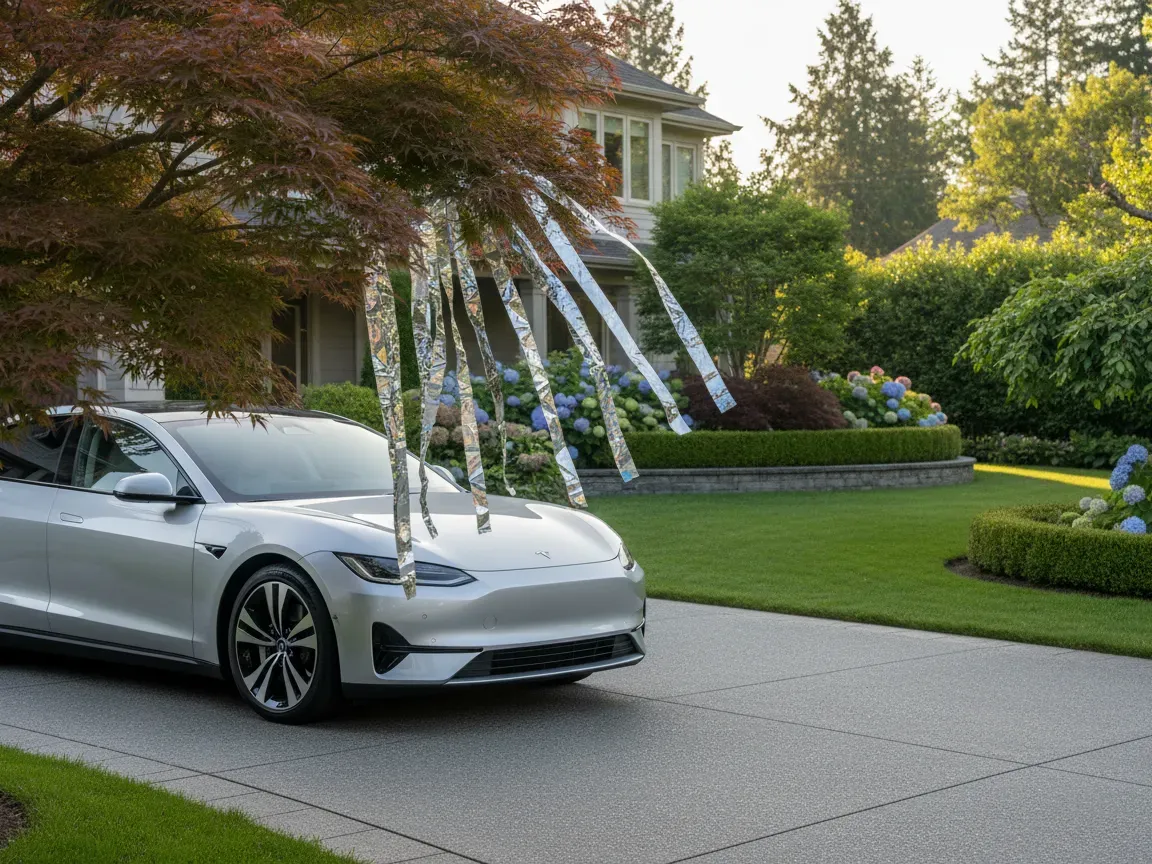
- Hang strips of holographic flash tape from nearby gutters or low-hanging branches. The metallic sheen and fluttering motion startle birds without causing injury.
- Place plastic predator decoys, such as realistic owls or hawks, along rooflines or fences overlooking the driveway.
- Use hanging reflective discs, old compact discs, or spinning garden pinwheels to catch sunlight and create disorienting flashes.
To keep visual deterrents effective, reposition decoys every few days. Birds are intelligent creatures; if an owl decoy remains frozen in the exact same spot for two weeks, local birds will quickly realize it poses no real danger.
Block Access With Car Covers and Overhead Shades
When landscaping changes are not enough, physical barriers provide guaranteed protection. If you lack an enclosed garage, building a physical buffer shields paintwork entirely from above.
A breathable, fitted car cover stops droppings, dust, and tree sap from ever touching your paint. While putting a cover on daily takes a couple of minutes, it saves hours of washing and detailing. If pulling a cover over your vehicle feels tedious, consider installing a freestanding shade sail, a portable canopy, or a temporary carport over your driveway. These overhead structures intercept falling debris while also shielding your vehicle from harsh ultraviolet rays that fade interior upholstery.
Use Natural Repellents to Discourage Roosting
Certain sensory cues can persuade birds to seek alternative hangout spots. Birds possess sensitive olfactory systems and dislike several common household scents.
You can mix water with essential oils such as peppermint, eucalyptus, or cayenne pepper in a standard spray bottle. Mist this solution around fence rails, patio overhangs, and nearby shrubs where birds tend to gather. You can also place small dishes containing crushed red pepper flakes or garlic near regular perching ledges. Always avoid spraying homemade solutions directly onto your car paint, as concentrated oils can stain automotive finishes. Keep the treatment focused strictly on surrounding garden surfaces and outdoor structures.
How Can You Maintain a Bird-Friendly Yard Without Sacrificing Your Paint Job?
Supporting native wildlife and keeping your vehicle spotless are not mutually exclusive goals. Gardeners frequently worry that using bird deterrents will drive away pollinators, songbirds, and beneficial insect predators that keep garden pests in check.
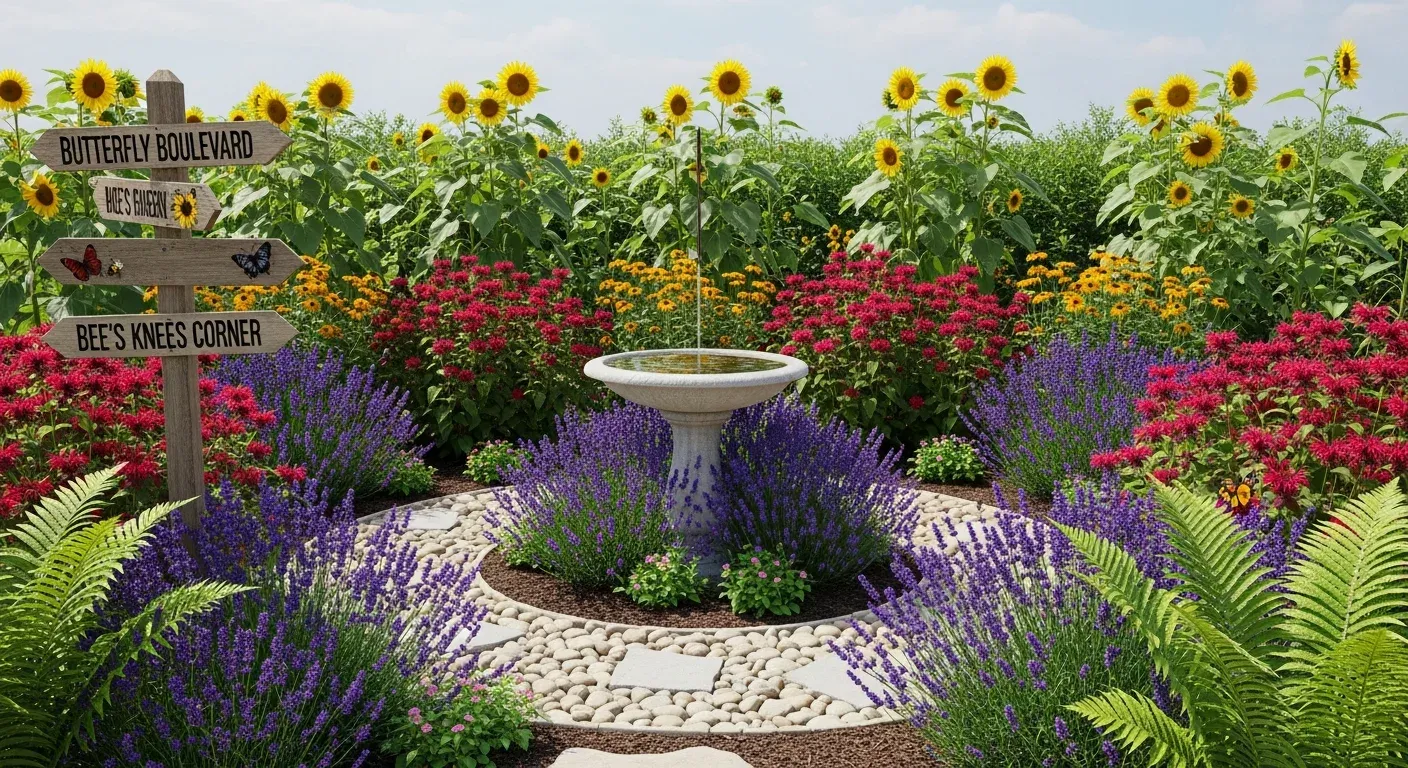
Success comes down to zoning your property thoughtfully. By establishing dense plantings, fresh water, and seed stations in the backyard while keeping the front driveway open and uninviting to perching birds, you create clear boundaries. Birds quickly adapt to routine and will naturally spend their time in the areas offering the best food, shelter, and security.
With a cleared overhead canopy, moved birdbaths, and a couple of reflective deterrents in place, you can enjoy a flourishing garden view while resting assured that your car finish remains clean and protected.