A garden alive with bees, butterflies, and the gentle hum of insects is one of the true joys of outdoor living. These pollinators add beauty and energy to your space, but their presence is also crucial for a healthy, balanced environment. With just a bit of planning, you can design a garden that welcomes pollinators from early spring to late autumn—and enjoy a vibrant, ever-changing display of colour and life.
Why Pollinators Matter in Every Garden
Pollinators are much more than just pretty visitors. Many of the fruits and vegetables we enjoy—along with countless wildflowers—depend on pollinators to reproduce and set seed. Bees, butterflies, moths, hoverflies, beetles, and even some birds and bats all play their part in this natural process.
Unfortunately, pollinators are facing serious challenges. Habitat loss, pesticides, disease, climate change, and invasive species have caused numbers to decline sharply in recent years. If we don’t take action, we risk losing not only these fascinating creatures but also the vital ecosystem services they provide.
By making your garden more welcoming for pollinators, you help support biodiversity, healthier crops, and a resilient garden ecosystem. A pollinator-friendly garden becomes a haven not just for insects, but for birds, mammals, and other wildlife that rely on them.
Choosing the Best Spot and Layout for Wildlife
Pollinators love warmth and shelter, so start by selecting a sunny location, ideally with at least six hours of sunlight each day and protection from harsh winds. Grouping the same plant species together in clusters makes it easier for insects to find and feed on their favourite blooms.
If your garden is small, even a window box or a few containers can make a difference. No matter the size of your space, thoughtful planting choices can provide a rich food source for pollinators throughout the season.
Selecting Plants That Support Pollinators All Year
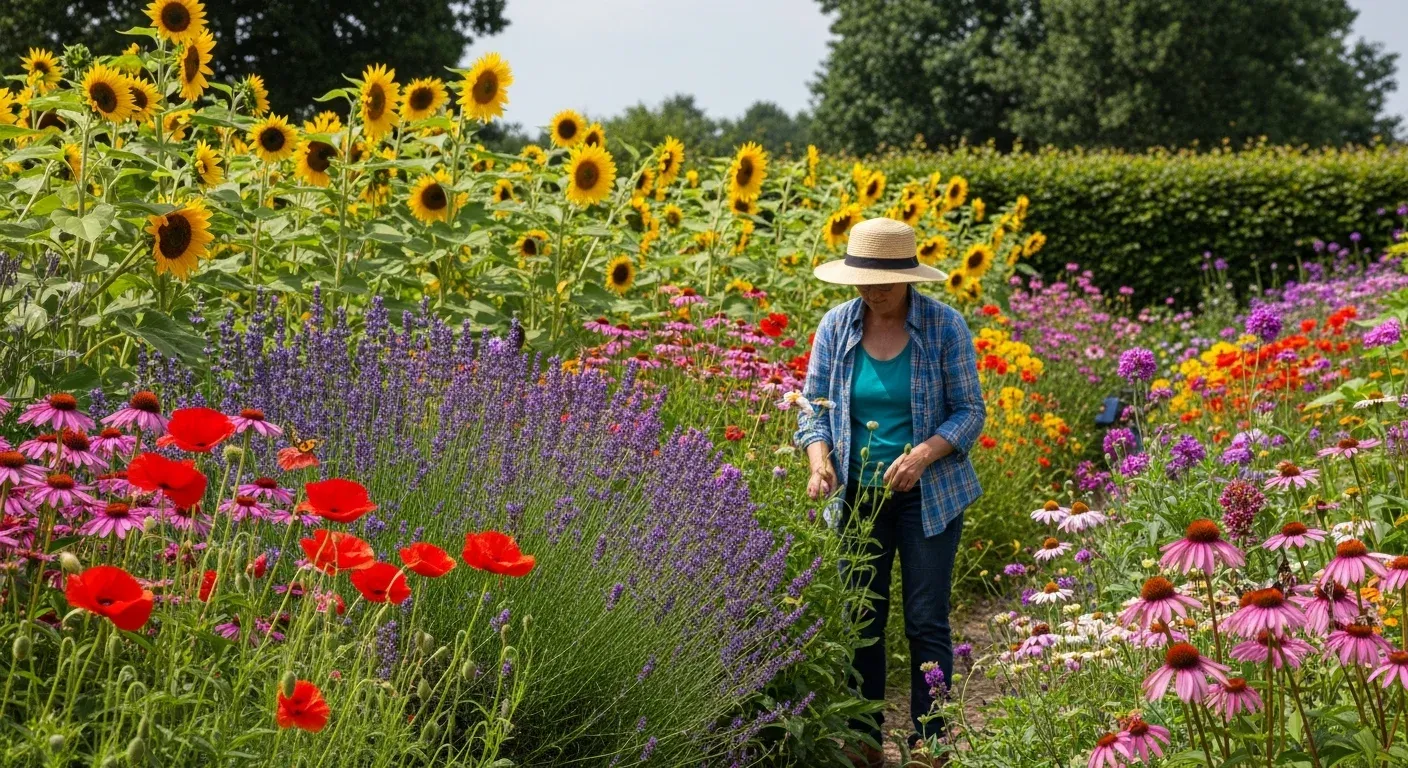
The secret to a buzzing garden is diversity. Choose a range of flowers, shrubs, and herbs that bloom at different times—ensuring there’s always something in flower, from the first days of spring to the last warm afternoons of autumn.
- Early spring: crocus, hellebores, lungwort, native primroses
- Mid-spring to early summer: foxglove, alliums, comfrey, wild garlic, hawthorn
- High summer: lavender, catmint, scabious, knapweed, buddleia
- Late summer to autumn: sedum, Michaelmas daisy, heather, ivy, devil’s-bit scabious
For UK gardens, native wildflowers like oxeye daisy, red clover, bird’s-foot trefoil, and field scabious are excellent choices. Shrubs such as dog rose, hazel, elder, and blackthorn provide structure and shelter, while herbs like chives, marjoram, thyme, sage, and borage are magnets for bees and butterflies.
Single-flowered varieties are far richer in nectar and pollen than double-flowered cultivars, so opt for these whenever possible. Avoid planting invasive non-native species, which can threaten local wildlife and disrupt the balance of your garden ecosystem.
Providing Water, Shelter, and a Safe Haven
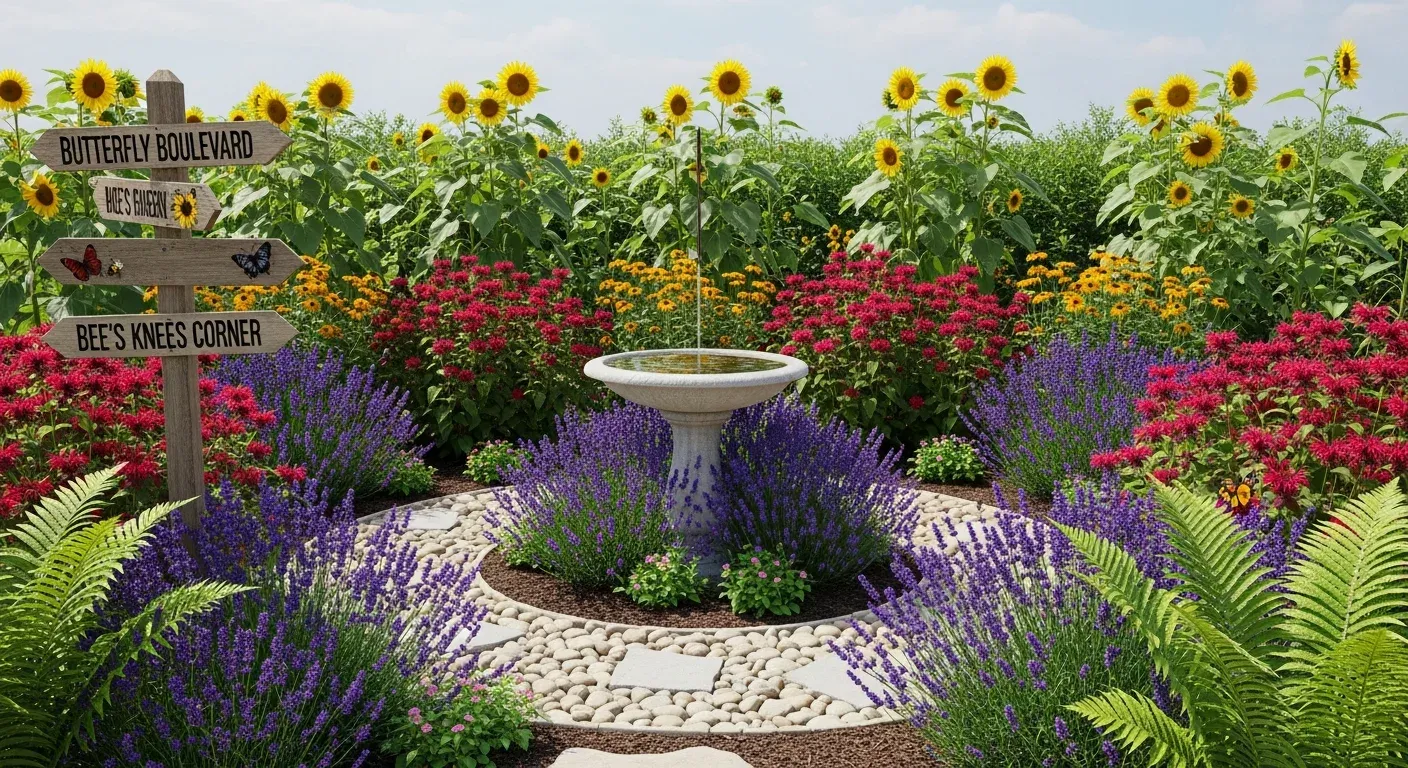
Like all living creatures, pollinators need water. A shallow dish filled with pebbles and water, or a small pond, offers a vital resource for thirsty insects. Leave some areas a little wild—log piles, stone walls, and patches of long grass provide essential nesting and overwintering sites.
A few untidy corners in your garden can become safe havens for solitary bees, butterflies, moths, hoverflies, and beetles. Don’t rush to clear away every pile of leaves or dead wood—these are valuable habitats for pollinators throughout the year.
Gardening Organically for Pollinator Health
Chemicals like pesticides, herbicides, and synthetic fertilisers can be devastating for pollinators, either by direct contact or by contaminating their food sources. Adopt organic gardening methods: use companion planting, remove pests by hand, and encourage natural predators like ladybirds and birds to keep pests in check.
Let some bare patches of soil remain for ground-nesting bees, and consider installing a bee hotel or bundles of hollow stems. Caterpillars of butterflies and moths rely on plants like nettles, brambles, and long grasses, so let a few grow in a quiet corner.
Healthy soil is the foundation of a thriving garden. Mulch with compost, bark, or leaf mould to retain moisture and feed your plants, but avoid thick plastic membranes that block access for ground-nesting insects.
Keeping Your Pollinator Garden Thriving
Water deeply during dry spells, preferably in the early morning or evening, to keep plants healthy and nectar flowing. Remove spent blooms to encourage repeat flowering, but leave some seed heads for birds and overwintering insects.
Observe your garden closely—see which plants attract the most pollinators and adjust your plant choices each year for even greater results. Keeping a simple journal or taking photos can help you track what works best.
Hand-weed to avoid disturbing pollinator habitats, but don’t be afraid to let some wildflowers or so-called “weeds” grow—they’re often among the best sources of nectar and pollen.
Sharing the Buzz: Involving Your Community
One of the joys of a pollinator-friendly garden is sharing knowledge, seeds, and cuttings with friends, neighbours, and local gardening groups. When more people join the effort, entire neighbourhoods can become havens for pollinators. Look into schemes like the RHS Plants for Pollinators initiative and encourage schools, allotments, and public spaces to get involved.
Bringing Your Garden to Life
By creating a pollinator-friendly garden, you’re making a real difference to wildlife while enjoying a beautiful, lively outdoor space. With the right plants, a few simple changes, and a willingness to let nature take its course, you’ll soon find your garden buzzing with life from spring to autumn. So grab your trowel, plant something new, and get ready to welcome a colourful parade of pollinators to your own patch of paradise.