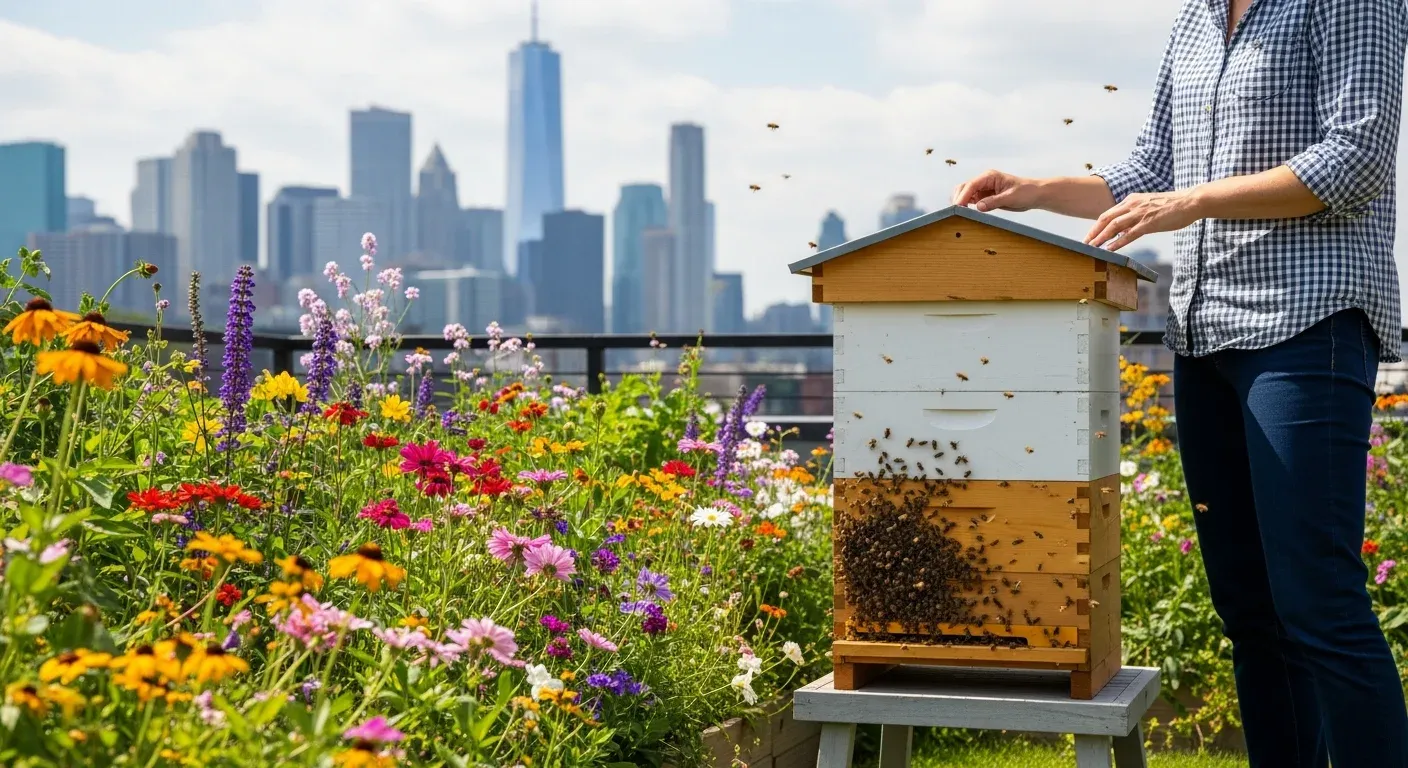
Looking for a hobby that brings a touch of nature into your urban life, supports the environment, and rewards you with jars of golden honey? Urban beekeeping could be the perfect fit. All over the world, city dwellers are transforming rooftops, balconies, and gardens into buzzing oases, discovering how rewarding it can be to care for bees in the heart of the city. Whether you’re passionate about sustainability, fascinated by insects, or just curious about where your honey comes from, this guide will walk you through the essentials of urban beekeeping and help you get started.
Why Urban Beekeeping Is Gaining Popularity
Urban beekeeping is not just a trend—it’s a response to the urgent need for pollinators in city environments. Bees play a crucial role in pollinating plants, supporting local food production, and maintaining biodiversity, yet city landscapes often lack the natural habitats these insects need. By setting up hives in urban spaces, beekeepers are making a real difference, boosting local ecosystems and enjoying the sweet benefits of their efforts.
Some of the main advantages of keeping bees in the city include:
- Supporting pollination in urban gardens and parks
- Harvesting your own local honey and other bee products
- Finding a relaxing, mindful escape from the urban rush
- Building a deeper connection with the natural world—even in a concrete jungle
Getting to Know Your Bees: Species, Needs, and Behavior
Before you bring a hive home, it helps to understand the basics of bee biology and what these tiny creatures need to thrive. The most common species kept by urban beekeepers is the Western honeybee, valued for its gentle nature and honey production. While other bees, like bumblebees and solitary bees, are excellent pollinators, they’re less often kept in hives.
Every healthy colony needs:
- A dry, well-ventilated hive to shelter them from rain and wind
- Access to nectar, pollen, and clean water—sometimes supplemented by the beekeeper in tough seasons
- Enough space to grow their colony and store honey
Bees are incredibly social, working together in a well-organized colony with a single queen, thousands of workers, and a handful of drones. Understanding the life cycle and seasonal patterns of bees is essential for anticipating their needs and responding to changes in the hive.
Preparing Your First City Hive: What to Know and What You’ll Need
Navigating Local Rules and Beekeeping Regulations
Before you order your bees, check your city’s guidelines. Many cities have rules about hive placement, registration, and safety that every responsible beekeeper needs to follow. Contact your local council or beekeeping association to make sure you’re starting off on the right foot.
Picking the Perfect Spot and Hive Design
Choosing where to put your hive is key. Look for:
- A spot with plenty of sunlight but protection from harsh winds
- A location away from busy walkways or neighboring homes
- Easy access for regular inspections
Popular hive designs include the modular Langstroth hive (easy to expand), the simple Top Bar hive (great for beginners), and the Warre hive (designed to mimic bees’ natural habitat). Selecting the right hive and location will set you and your bees up for success.
Essential Gear for New Urban Beekeepers
To get started, you’ll need:
- A hive with frames and foundation
- A beekeeper’s suit and gloves for protection
- A smoker to gently calm the bees during inspections
- A hive tool for opening and working with the hive
- A feeder for supplemental feeding when necessary
- A starter colony, often purchased as a “nuc” (nucleus colony) from a reputable supplier
Day-to-Day Care: Keeping Your Bees Healthy and Happy
How to Inspect and Maintain Your Hive
Regular inspections—about every 7 to 10 days during the active seasons—are crucial for monitoring the health of your colony. You’ll be checking for signs of disease, making sure the queen is laying eggs, and ensuring the bees have enough space and food.
Seasonal Care and Feeding Tips
- In early spring, you may need to supplement your bees’ diet with sugar syrup if flowers are scarce.
- During summer, always make sure your bees have access to clean water.
- In autumn, check that the hive has enough honey stored for winter and reduce your inspections to avoid disturbing the colony.
- Come winter, insulate the hive and avoid unnecessary openings to help your bees stay warm and safe.
Spotting and Addressing Common Problems
Bees face threats from pests like Varroa mites, diseases, and environmental stress. Early detection and quick action are key to keeping your colony strong. Don’t hesitate to reach out to local beekeepers or associations for advice if you spot anything unusual.
Enjoying the Fruits of Your Labor: Harvesting and Using Bee Products
Safely Harvesting Honey in the City
Late summer is usually the best time to harvest honey, once the bees have capped the honeycomb cells. You can gently clear the bees from frames using a bee escape board or a soft brush, then extract the honey using a centrifugal extractor or a crush-and-strain method. Always leave enough honey behind to ensure your bees have plenty of food for winter.
Beyond Honey: Other Valuable Bee Products
- Beeswax for making candles, cosmetics, and reusable wraps
- Propolis, a resinous substance with health benefits
- Pollen, a protein-rich supplement valued by many
Ethical beekeeping means practicing restraint—take only what your bees can spare, and prioritize their health above your harvest.
Connecting with the Urban Beekeeping Community
Find Support and Inspiration in Local Groups
Beekeeping is much easier—and a lot more fun—when you’re part of a community. Joining local clubs, online forums, or urban beekeeping associations is a great way to learn, share experiences, and get help when you need it.
Keep Learning and Growing as a Beekeeper
Many organizations offer beginner courses, workshops, and mentoring for new beekeepers. Continued education will help you stay up-to-date with best practices and new challenges in urban beekeeping.
Make a Difference in Your City
By keeping bees, you’re helping to green your city, support biodiversity, and raise awareness about the importance of pollinators. Consider planting bee-friendly flowers and sharing your knowledge with friends and neighbors. Every hive makes a difference, no matter how small your urban space might be.
Urban beekeeping is a journey filled with learning, discovery, and plenty of sweet rewards. With a bit of preparation, the right equipment, and a commitment to caring for your bees responsibly, you can enjoy the unique pleasures of city beekeeping and contribute to a healthier urban environment. So why not give it a try and see where this buzzing adventure takes you? Happy beekeeping!